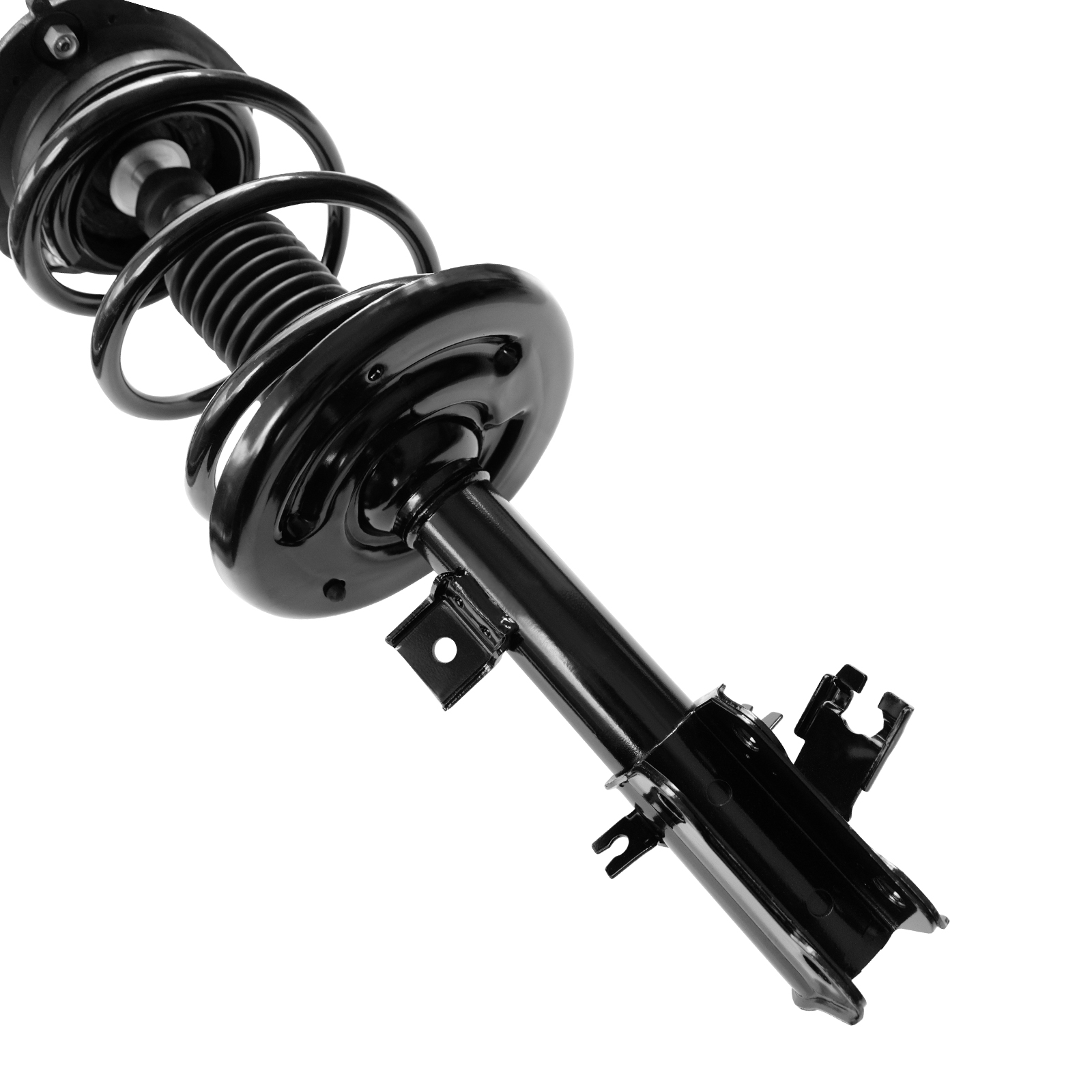
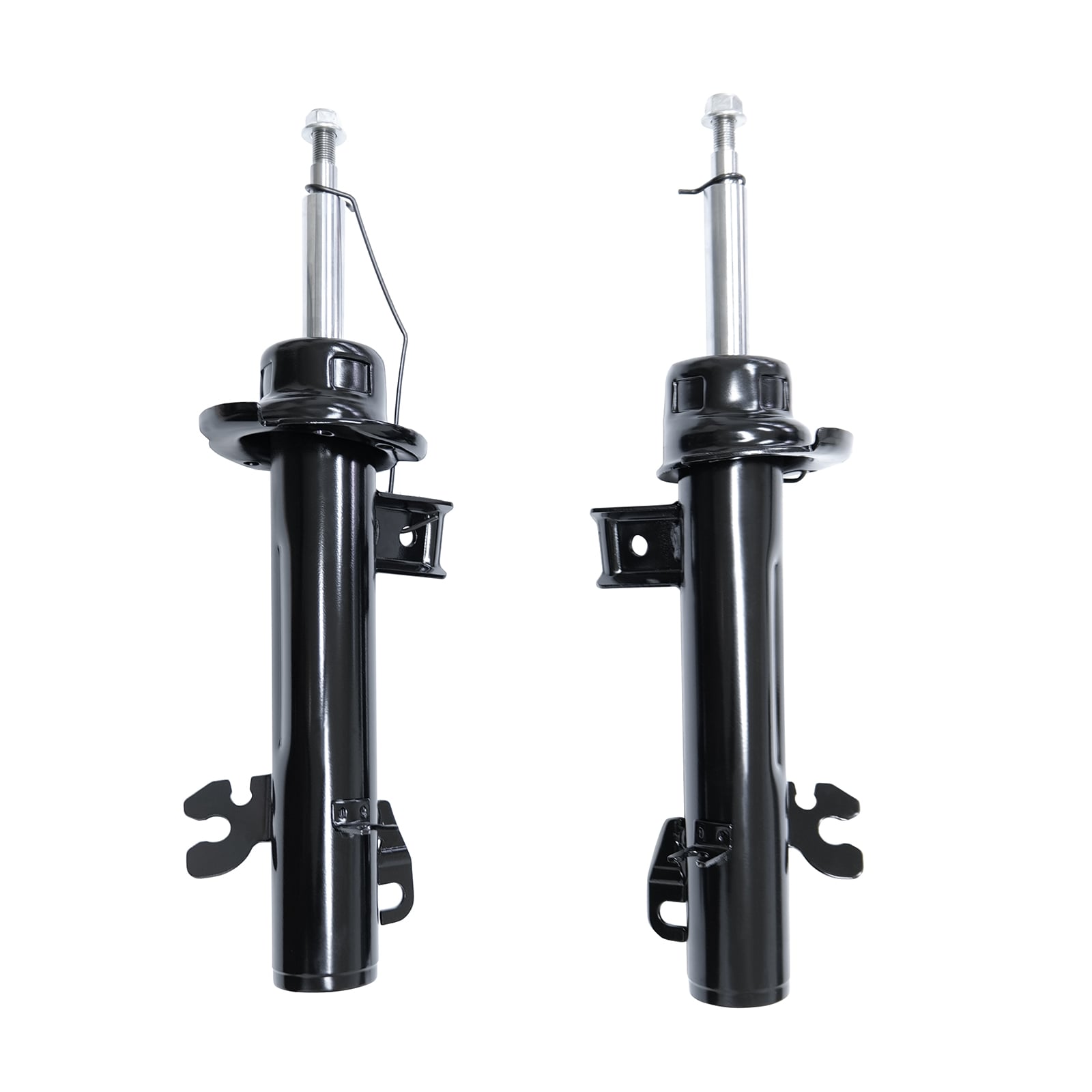
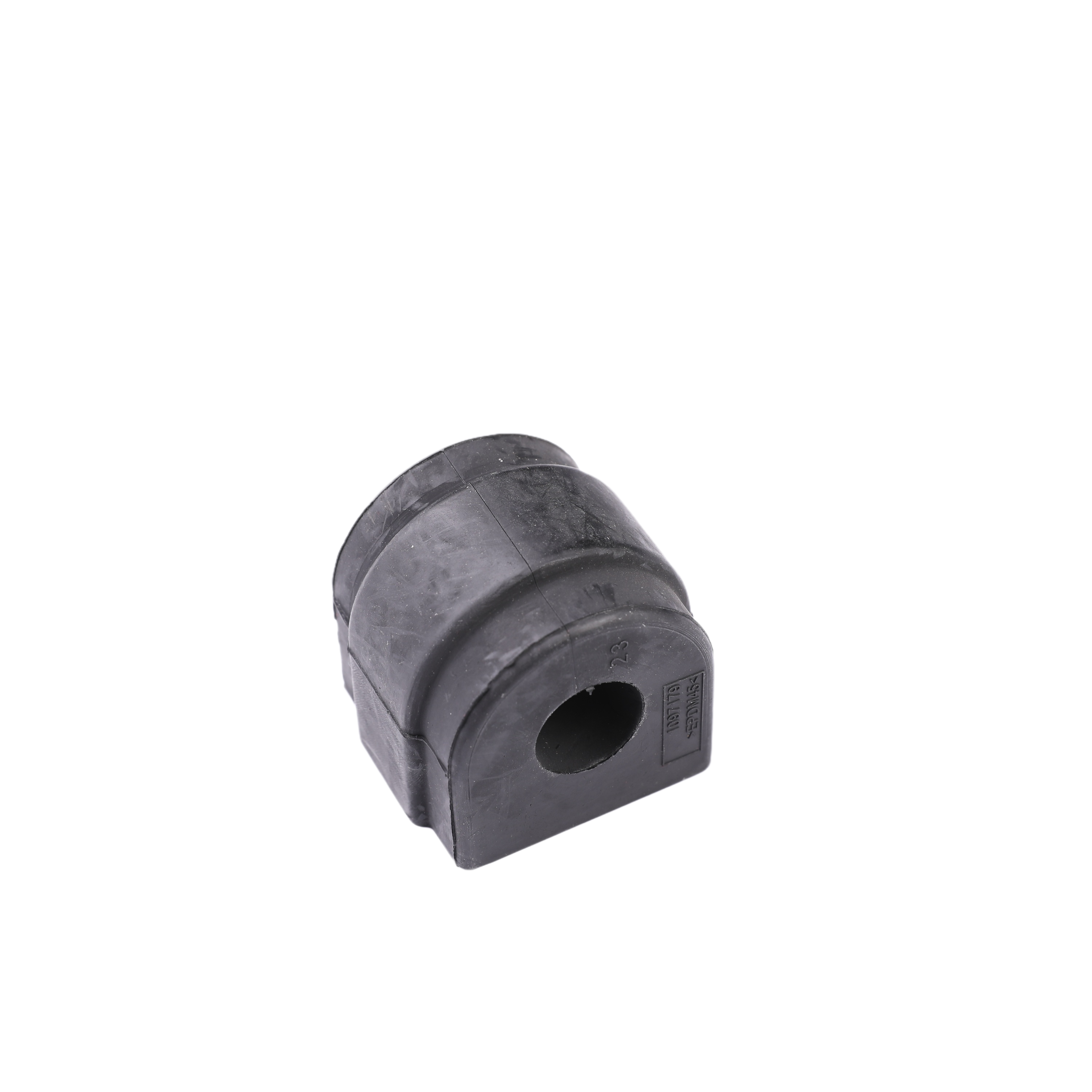
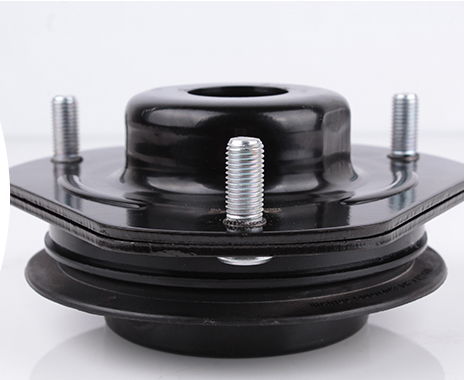
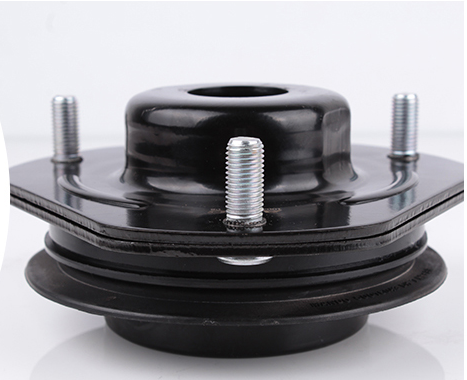
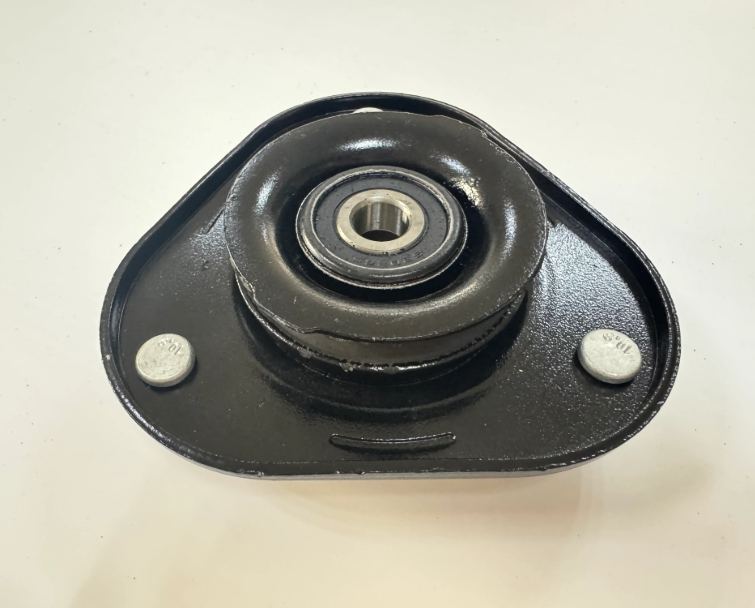
Premium Hydraulic Absorber Solutions for Enhanced Vehicle Suspension Performance
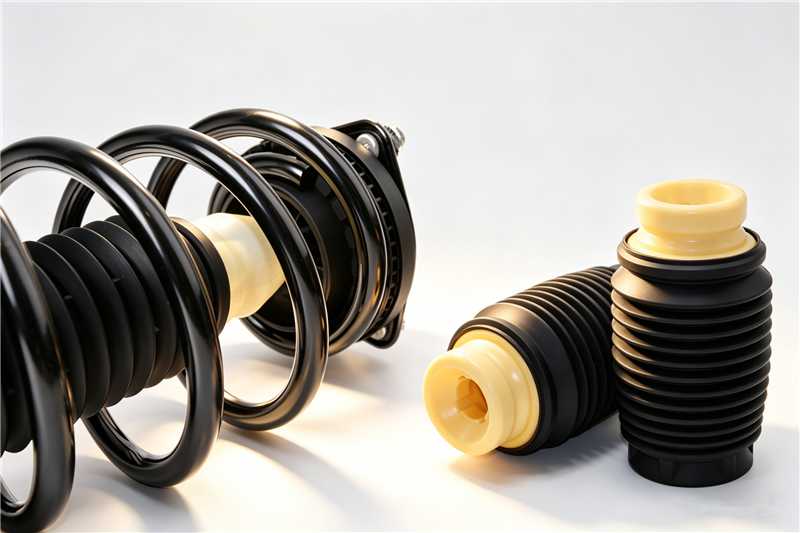
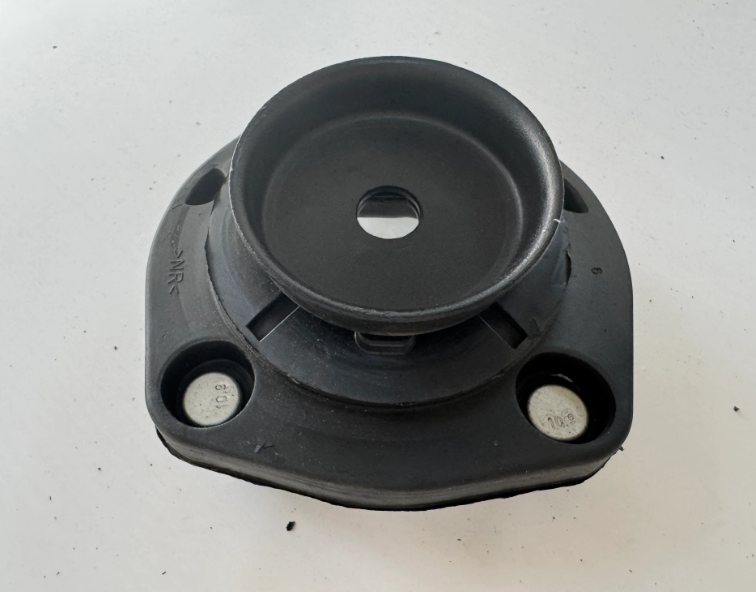
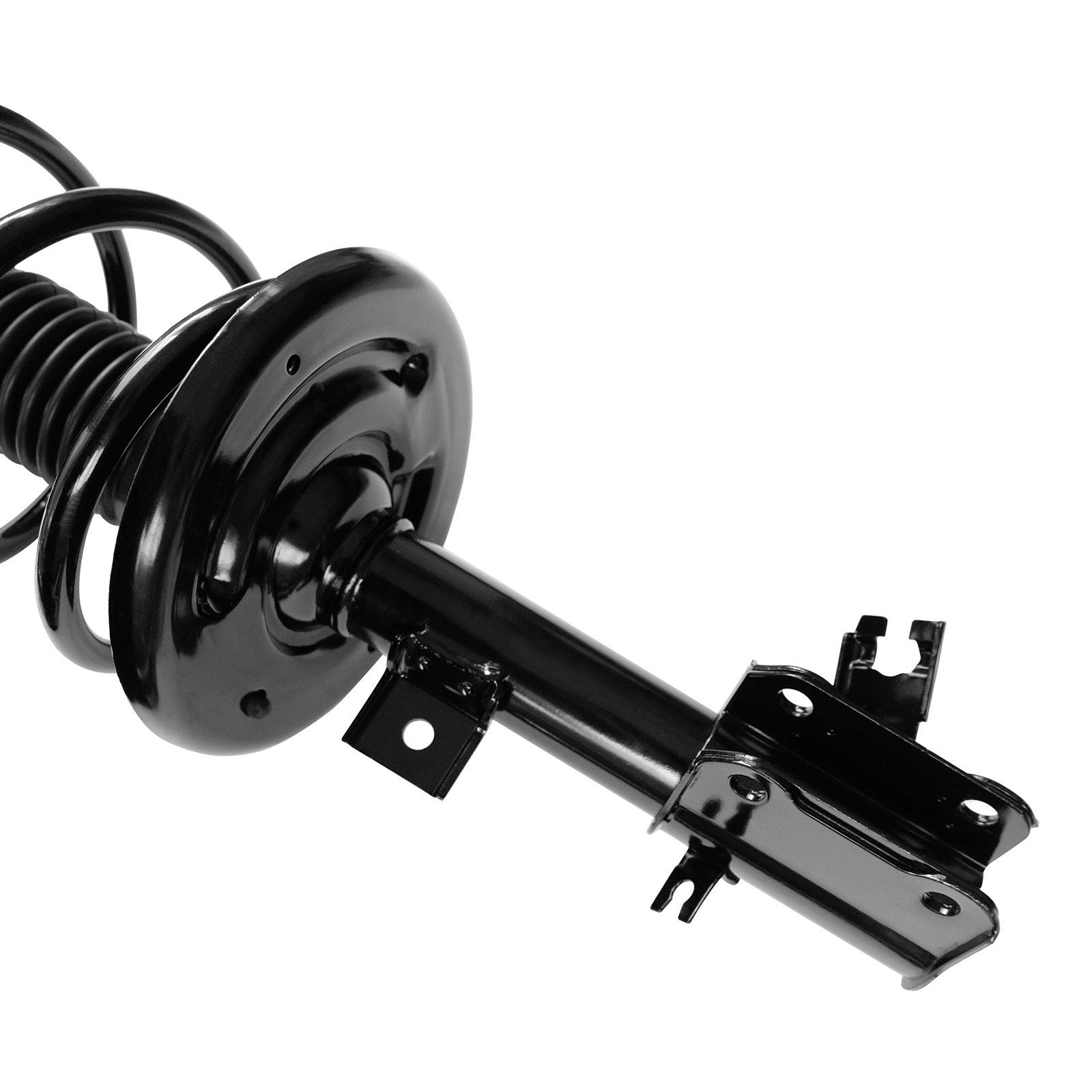
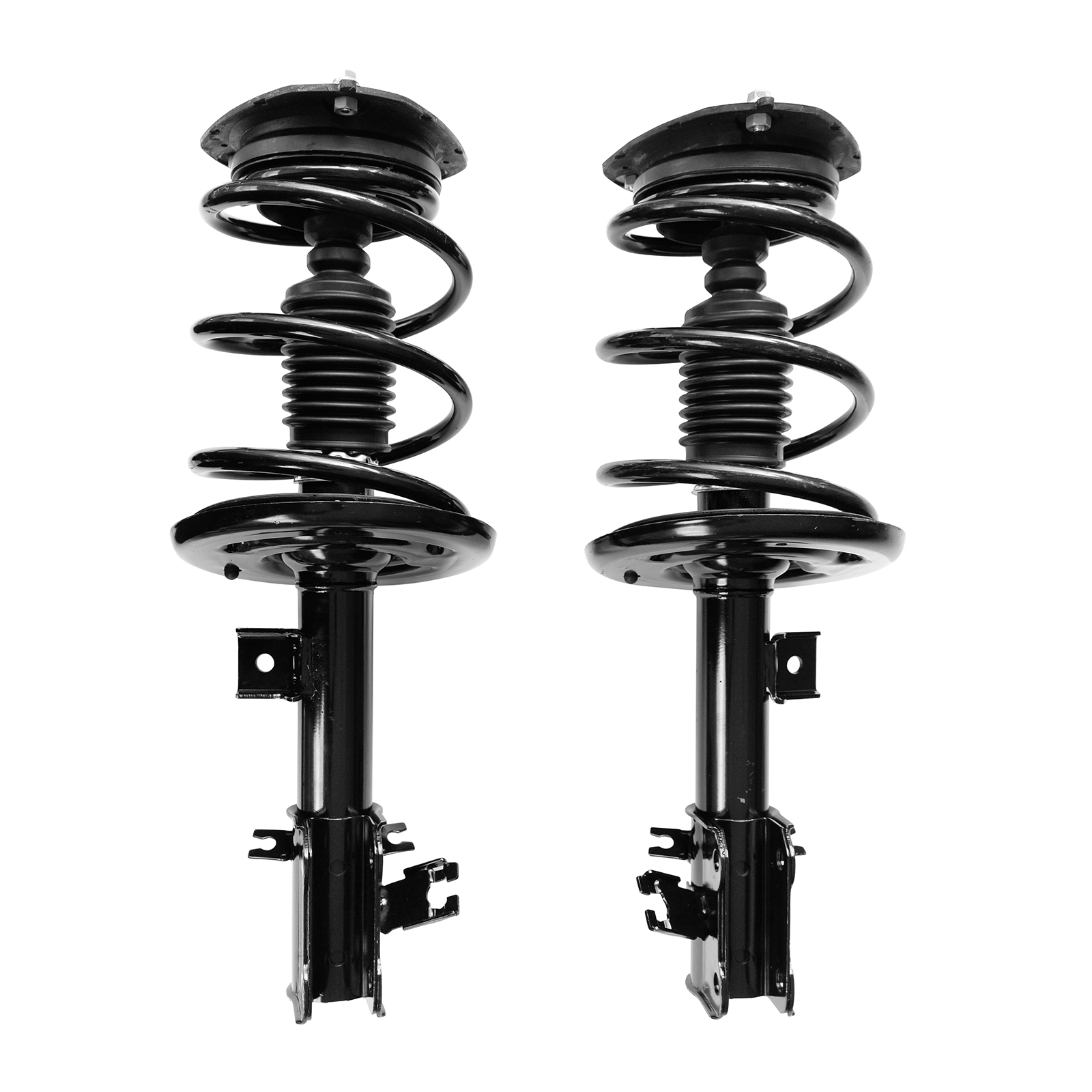
Discover top-tier hydraulic absorbers engineered for superior ride comfort and vehicle stability. As a leading manufacturer, Pingxiang Aoding Rubber Products Co., Ltd. specializes in high-quality automotive shock absorber dust covers, bump stops, and suspension components. Our hydraulic absorbers are designed to meet the rigorous demands of international markets, offering durability, precision, and exceptional performance. With over 2,500 SKUs, we provide a comprehensive range of repair kits and support ODM/OEM customization. Our commitment to excellence is underscored by IATF 16949, ISO 14001, and ISO 45001 certifications, ensuring that every hydraulic absorber we produce meets the highest standards of quality and reliability. Whether you are a distributor, workshop, or automotive manufacturer, our hydraulic absorbers deliver optimal damping performance, reduced noise and vibration, and extended service life.
Get A Quote
 EN