 EN
Understanding the Role of Suspension Support Components
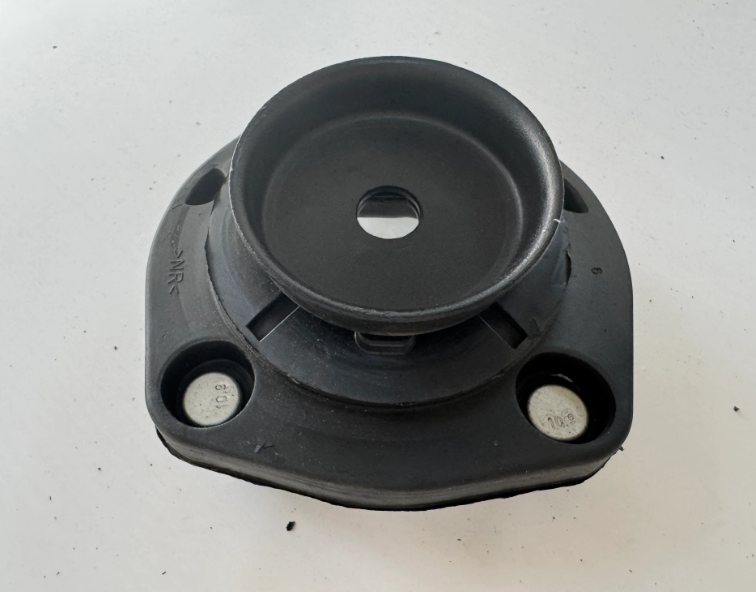
Vehicle suspension relies heavily on the precise mechanical interaction between springs, shock absorbers, and structural attachment points to deliver a stable, comfortable, and safe driving experience. Every single time an automobile navigates rough terrain, hits a pothole, or executes a sharp corner, massive kinetic forces travel upward through the entire suspension network. Within this complex arrangement, the upper strut mount acts as the critical bridge connecting the vehicle body to the strut assembly. Selecting the correct upper strut mount ensures proper wheel alignment, absorbs high-frequency road vibrations, and prevents premature structural fatigue on neighboring components such as coil springs and damper shafts. Professional technicians and fleet operators frequently observe that failing to match the exact specifications of a specific vehicle platform leads to excessive cabin noise, vague steering response, and uneven tire wear patterns. Upgrading or replacing this component requires a comprehensive understanding of vehicle weight distribution, chassis dynamics, and load ratings. Highlighting quality components from reliable manufacturing partners makes a substantial difference in long-term vehicle safety and overall driving dynamics across diverse global driving conditions and weather environments.
Vehicle Specificity and Chassis Compatibility Requirements
Different car models demand unique engineering designs for their suspension systems, rendering universal or generic solutions entirely ineffective for modern automotive maintenance. Passenger sedans, compact utility vehicles, electric cars, and heavy commercial vans all subject their chassis to completely different static load profiles and dynamic directional forces. When sourcing an upper strut mount, meticulously verifying OEM part numbers, mounting bolt patterns, and strut shaft inner diameters prevents costly installation failures and unsafe road performance. Suspension geometry varies significantly between front-wheel-drive platforms and rear-wheel-drive performance vehicles, requiring bespoke rubber-to-metal bonding techniques in the upper strut mount to isolate noise and vibration effectively. Professional mechanics frequently encounter stubborn alignment issues when aftermarket alternatives deviate by even a fraction of a millimeter from original factory dimensions. Ensuring absolute compatibility safeguards the steering angle geometry and maintains proper caster and camber settings during aggressive cornering maneuvers, highway cruising, or emergency braking situations.
Material Composition and Advanced Durability Engineering
The structural longevity and operational reliability of any upper strut mount depend heavily on the metallurgy of its metal brackets and the chemical composition of its elastomeric components. Premium upper strut mount units utilize high-grade natural rubber blended with specialized synthetic polymers designed to resist extreme temperature fluctuations, harsh road salt, oil contamination, and ozone degradation. Meanwhile, the internal bearing must withstand continuous axial and radial loads without seizing, binding, or developing excessive internal play over years of service. Rigorous laboratory stress tests and dynamic test rig evaluations consistently prove that inferior rubber compounds crack and separate within tens of thousands of kilometers, transmitting harsh road impacts directly into the vehicle frame and damaging expensive shock absorbers. Investing in robust manufacturing standards guarantees that every upper strut mount absorbs high-frequency vibrations efficiently while providing smooth rotational articulation for precise steering responsiveness and driver feedback.
Practical Selection Guidelines for Fleet and Workshop Operators
Navigating the vast array of available replacement parts requires a systematic approach based on vehicle application, service history, and operating environment. Automotive workshops and commercial fleet managers must prioritize units that replicate original equipment performance parameters while offering enhanced durability features for high-stress applications. When evaluating options for an upper strut mount, technicians should examine the thickness of the steel backing plate, the durometer rating of the rubber bushing, and the sealing quality of the roller bearing. Vehicles operating in regions with severe winters or heavy coastal salt exposure demand specialized anti-corrosion coatings on all metal surfaces to prevent rust-jacking and structural separation. Furthermore, establishing a standardized inspection protocol during routine oil changes or brake services allows mechanics to catch minor wear signs in the upper strut mount before catastrophic failure occurs, thereby enhancing overall fleet safety and reducing unexpected vehicle downtime for end-users.
Real World Installation Case Studies and Field Insights
Field reports and technical service bulletins from global automotive repair networks provide invaluable practical insights into selecting and installing the right upper strut mount. In one documented case study involving a commercial fleet of mid-size utility vehicles operating in demanding urban delivery environments, frequent metallic clunking noises over bumps were traced back to low-quality aftermarket parts featuring inadequate internal bearings. Once the maintenance teams transitioned to a precision-engineered upper strut mount featuring reinforced steel housings and sealed high-capacity bearings, the component failure rate dropped to zero over a twelve-month monitoring period. Another scenario involved high-mileage passenger cars where improper torque specifications during upper strut mount installation caused premature strut binding and steering stiffness. Sharing these practical maintenance lessons emphasizes why proper torque sequencing, professional tools, and pairing components with matching OE-grade hardware remains absolutely essential for professional automotive service providers worldwide.
Manufacturing Excellence and Supply Chain Reliability
Sourcing durable automotive components requires partnering with established production facilities that implement stringent quality control systems and comprehensive testing protocols. AODING operates advanced manufacturing lines dedicated to crafting precision upper strut mount products that meet or exceed rigorous international automotive quality standards. Every production batch undergoes comprehensive raw material verification, fatigue resistance evaluations, and dimensional accuracy checks before entering global distribution channels. International B2B clients, wholesale distributors, and automotive brands benefit greatly from AODING unwavering commitment to stable lead times, flexible custom packaging options, and extensive catalog availability covering major global vehicle manufacturers. Integrating cutting-edge manufacturing technology with reliable supply chain logistics ensures that every upper strut mount delivers exceptional performance, reinforcing brand trust and driving long-term commercial success in the highly competitive global automotive aftermarket.
Table of Contents
- Understanding the Role of Suspension Support Components
- Vehicle Specificity and Chassis Compatibility Requirements
- Material Composition and Advanced Durability Engineering
- Practical Selection Guidelines for Fleet and Workshop Operators
- Real World Installation Case Studies and Field Insights
- Manufacturing Excellence and Supply Chain Reliability