 EN
Understanding the Role of the Strut Mount Bearing in Modern Steering Systems
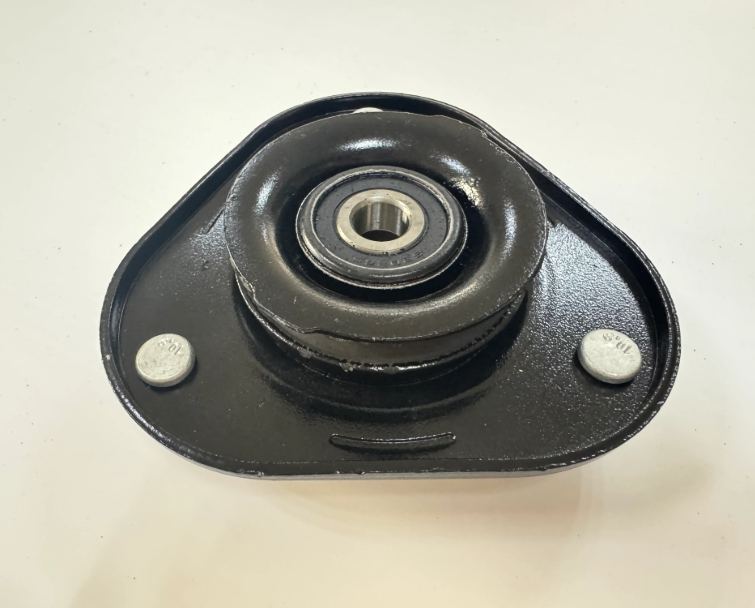
When drivers turn the steering wheel, they rarely think about the complex choreography happening right above the front wheels. Every smooth turn relies heavily on a small yet indispensable component known as the strut mount bearing. This precision part sits at the top of the suspension assembly, acting as the crucial pivot point that allows the entire strut assembly to rotate in sync with the steering inputs. Without a properly functioning strut mount bearing, turning the wheel would require immense physical effort, accompanied by grinding noises and severe steering resistance. In modern independent suspension systems, particularly McPherson strut setups, the strut mount bearing carries the full vertical weight of the vehicle while simultaneously facilitating horizontal rotation. Automotive engineers design these bearings to withstand thousands of pounds of dynamic force while maintaining ultra-low rotational friction. When mechanics inspect a front-end suspension system during routine maintenance, checking the condition of the strut mount bearing is always a top priority because its health directly dictates steering responsiveness and driver safety. Overlooking a failing strut mount bearing can lead to accelerated tire wear, uneven load distribution across the chassis, and eventual failure of adjacent suspension components like the upper mount and shock absorbers. Understanding how this component operates helps fleet managers and auto parts distributors appreciate why premium material selection and precise manufacturing tolerances are non-negotiable for safe vehicle operation.
How a Defective Strut Mount Bearing Affects Vehicle Handling and Safety
A failing or degraded strut mount bearing introduces immediate, noticeable changes in vehicle dynamics that compromise both comfort and safety. As internal needle bearings wear out, rust, or lose lubrication due to seal degradation, the smooth rotational movement transforms into a binding or sticking action. Drivers typically notice this issue first as a distinct popping, snapping, or binding noise when turning the steering wheel at low speeds or while parking. Beyond auditory warnings, a compromised strut mount bearing causes the steering wheel to feel heavy, uneven, or hesitant to return to the center position after completing a turn. From a technical standpoint, this resistance creates uneven tension within the steering rack and electric power steering motor, potentially leading to premature electronic actuator failure. Technicians frequently observe that a seized strut mount bearing forces the coil spring to twist unnaturally under load. When the spring finally releases its stored energy, it snaps back with a sudden jolt, transferring harsh vibrations directly up through the steering column into the driver's hands. In high-speed driving scenarios, this lack of smooth articulation disrupts vehicle tracking, making minor corrections on the highway feel unpredictable and fatiguing. Addressing a worn strut mount bearing promptly prevents cascading mechanical failures and restores the factory-tuned steering feel that drivers expect.
Real-World Case Study: Diagnosing Suspension Failure in Commercial Fleets
Practical workshop experience across international service centers reveals consistent patterns regarding strut mount bearing degradation, especially in heavy-duty commercial vans and passenger fleets operating in harsh urban environments. A recent diagnostic case involving a delivery fleet operating in rugged road conditions highlighted the severe consequences of utilizing substandard replacement parts. Fleet operators reported heavy steering feedback and a distinct metallic clunking sound during sharp maneuvers. Upon disassembling the front suspension, technicians discovered that cheap replacement units had suffered catastrophic cage failure within less than twenty thousand miles. The internal ball bearings had fractured due to inadequate heat treatment and poor steel alloy selection, allowing moisture and road salt to corrode the inner raceways of the strut mount bearing completely. This failure forced the entire strut shaft to grind directly against the upper rubber insulator, causing localized melting and severe misalignment of the front wheel geometry. Replacing those failed units with high-grade components featuring premium low-friction seals and induction-hardened steel completely eliminated the steering noise and restored optimal alignment angles. This practical field example underscores why professional repair shops insist on sourcing durable strut mount bearing assemblies from trusted manufacturers who implement rigorous quality control protocols throughout every stage of production.
Engineering Precision and Material Selection Standards
Manufacturing a world-class strut mount bearing requires meticulous attention to metallurgical properties, sealing technology, and thermal endurance. Because these components endure continuous axial loads, side-load bending moments, and exposure to corrosive elements like road salt and standing water, material composition determines overall lifespan. Top-tier production facilities utilize high-purity chrome steel for the bearing races and rolling elements, subjecting them to specialized heat treatments to achieve optimal surface hardness while maintaining a resilient core structure. Additionally, advanced sealing designs are essential to lock in high-temperature synthetic grease while keeping out microscopic dirt particles and moisture. A poorly sealed strut mount bearing will experience rapid grease washout, leading to friction-induced overheating and eventual seizure. Industry benchmarks require these assemblies to undergo rigorous salt spray testing, fatigue cycle testing, and load-bearing simulations to ensure they meet original equipment manufacturer specifications. When automotive brands partner with established global manufacturers like AODING, they gain access to advanced production lines where every single strut mount bearing is tested for dimensional accuracy, rotational torque smoothness, and structural integrity. This dedication to engineering precision ensures that aftermarket distributors can supply workshops with parts that match or exceed factory durability.
Sourcing Reliable Components for Global Automotive Markets
Navigating the global automotive supply chain requires partnering with manufacturers who combine technical expertise with dependable logistics and consistent quality assurance. For international B2B buyers, sourcing reliable suspension components directly impacts brand reputation and customer retention in competitive local markets. A dependable supplier of automotive chassis parts must offer a comprehensive product catalog that covers diverse regional vehicle applications, from compact passenger cars to heavy utility vehicles. Maintaining strict quality control across high-volume production runs ensures that every individual strut mount bearing delivered to a warehouse meets international safety certifications and performance standards. Furthermore, efficient supply chain management guarantees stable pricing, secure packaging that prevents transit damage, and responsive technical support for complex aftermarket inquiries. By aligning with a trusted industrial partner such as AODING, global distributors and regional wholesalers secure a competitive edge through superior product reliability, excellent inventory availability, and manufacturing capabilities designed for modern automotive demands. Investing in premium suspension hardware ultimately safeguards vehicle operators, reduces costly warranty claims, and builds long-term trust across the entire automotive service ecosystem.
Table of Contents
- Understanding the Role of the Strut Mount Bearing in Modern Steering Systems
- How a Defective Strut Mount Bearing Affects Vehicle Handling and Safety
- Real-World Case Study: Diagnosing Suspension Failure in Commercial Fleets
- Engineering Precision and Material Selection Standards
- Sourcing Reliable Components for Global Automotive Markets