What Does a Stabilizer Bar Look Like? Visual Guide & Types

+86-15333319453
All Categories
What Does a Stabilizer Bar Look Like: A Visual Guide from Aoding Rubber

What Does a Stabilizer Bar Look Like: A Visual Guide from Aoding Rubber

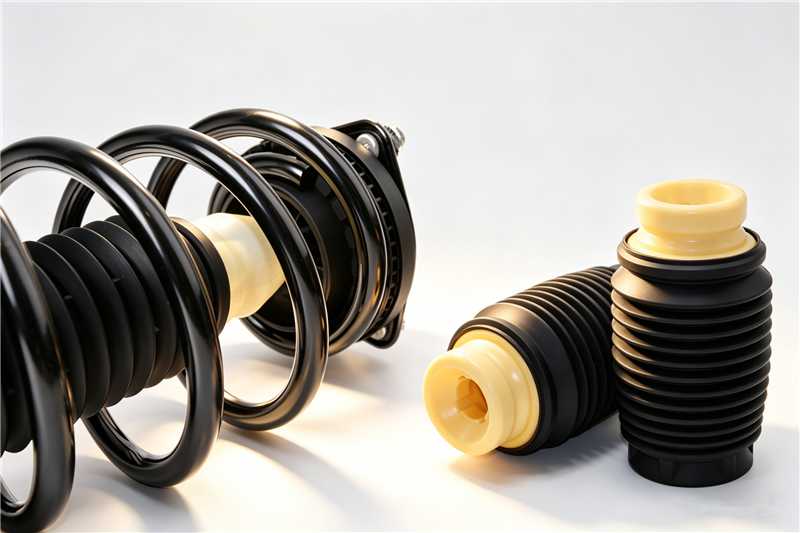
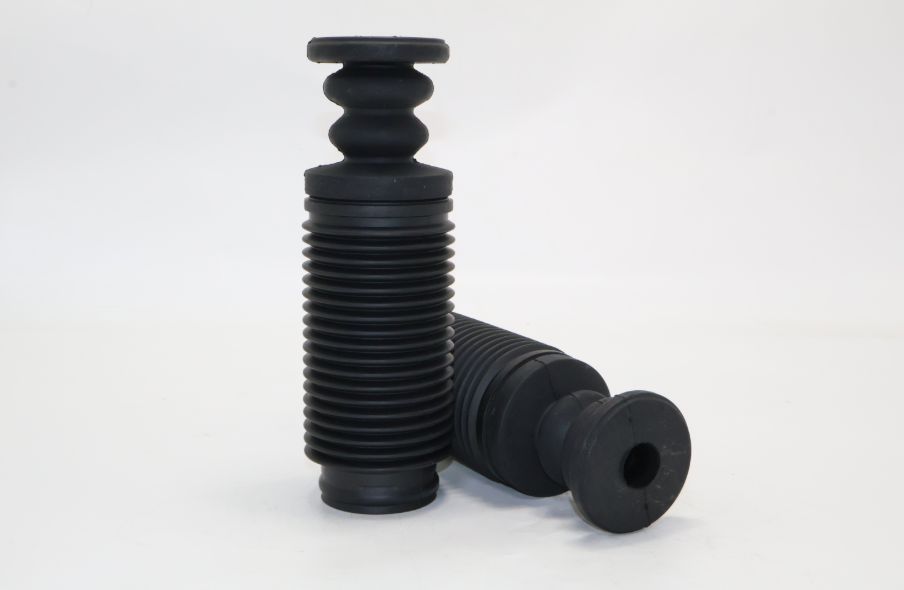
If you’ve ever wondered what does a stabilizer bar look like, you’re not alone. This critical suspension component, also known as an anti-roll bar or sway bar, is a metal rod that connects the left and right wheels of a vehicle. It is typically made of high-strength spring steel and is shaped like a ‘U’ or ‘Z’, with bushings and end links that attach to the suspension. At Aoding Rubber, we specialize in suspension components, including dust covers and bump stops that protect stabilizer bar links and other parts. Our expertise ensures that every component we produce meets the highest standards of durability and performance. In this article, we will dive deep into the visual characteristics of stabilizer bars, their function, types, and how they integrate with the suspension system. We’ll also discuss maintenance tips and answer common questions.
Get A Quote

Advantages of the product

Visual Clarity and Educational Value

Our comprehensive guide clearly answers what does a stabilizer bar look like. We use precise descriptions to help you identify stabilizer bars in various vehicle makes and models. This clarity is essential for mechanics, DIY enthusiasts, and parts buyers who need to visually identify components quickly and accurately. By understanding the distinct shapes and mounting configurations, you can avoid costly mistakes during installation or replacement. Our expertise, backed by years of manufacturing suspension parts, ensures that the information is reliable and practically applicable. Moreover, we emphasize the visual cues that differentiate stabilizer bars from other suspension links, preventing confusion and fostering confidence in your auto repair or parts procurement decisions.

Comprehensive Technical Insights

Our content not only shows what does a stabilizer bar look like but also explains the geometry, materials, and connection points in detail. We delve into the role of bushings and end links, which are crucial for the bar’s function and are part of our product range. This holistic approach helps you understand the complete picture of the stabilizer bar system. We also discuss common variations such as solid vs. hollow bars, which affect weight and performance. This knowledge enables you to choose the right replacement parts and appreciate the engineering behind your vehicle’s stability. With our industry background, we provide accurate and up-to-date information that aligns with the latest automotive standards, ensuring that you stay ahead in your knowledge.

Trusted Expertise and Quality Assurance

Backed by Aoding Rubber’s manufacturing excellence, our guide reflects the quality and reliability that we bring to the market. As a certified IATF 16949 company and a trusted OEM for well-known brands, we understand the importance of precision in suspension components. Our insights into what a stabilizer bar looks like are drawn from real-world engineering and testing. We highlight how our related products, such as dust covers and bump stops, integrate with stabilizer bars to extend their service life and maintain optimal performance. By choosing Aoding, you are partnering with a company that prioritizes quality, customer satisfaction, and continuous improvement. Our guide is not just informational; it’s a doorway to superior suspension products and support.

Related Products

Now, let’s delve deeper into the topic: what does a stabilizer bar look like? Visually, a stabilizer bar is a tubular or solid metal piece that runs across the vehicle’s width, often in a sweeping curve to navigate around the chassis. It is typically finished in black or another dark coating for corrosion resistance. The bar is connected to the suspension control arms via vertical links, which are usually short rods with bushings at each end. These links might be visible if you glance under the vehicle, often appearing as smaller rods that connect the bar to the strut or lower arm. In most passenger cars, the front stabilizer bar is between 20 to 30 millimeters in diameter, while rear bars can be thinner if present. Trucks and SUVs may have thicker bars to handle heavier loads and higher centers of gravity. The shape is not just for aesthetics; it is carefully engineered to achieve specific flexibility and rigidity.

Frequently Questions

Where exactly is the stabilizer bar located on a vehicle?

The stabilizer bar is typically mounted under the vehicle, attached to the chassis and suspension components. In the front, it sits between the two control arms, running parallel to the engine crossmember. To find it, look under the car near the wheels; you’ll see a metal bar that connects to the suspension via vertical rods (links). The bar may be secured with brackets that hold it to the frame or subframe, often with rubber bushings in between. In rear suspensions, if a sway bar is equipped, it’s usually located near the rear axle. The exact location can vary by vehicle design, especially in independent suspension setups where the bar might be positioned to accommodate drivetrain components. For a visual reference, check online diagrams or your vehicle’s service manual. If you’re still unsure, a quick glance under the car while on level ground can help you identify the bar. Remember to never work under an unsupported vehicle.
Yes, you can usually see the stabilizer bar from under the car without removing parts, but the view may be partially obstructed by underbody covers or exhaust systems. In many vehicles, especially modern sedans, the bar is visible when you lie on your back and look under the front bumper area. It appears as a metal rod perpendicular to the direction of travel. If you have to remove a splash shield, it’s still a relatively easy task. Always use proper safety measures like wheel chocks and jack stands. For added clarity, take a photo with your phone to inspect it more closely. The bar might be painted or coated, but its metallic, cylindrical shape is distinctive. The key is to follow the path from one wheel to the other; if you see a sturdy metal bar with bracket mounts, that’s your stabilizer bar.
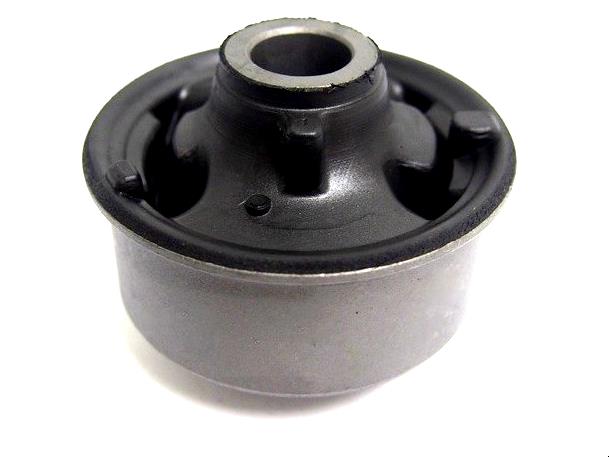
Stabilizer bars come in two primary design categories: solid and hollow. Solid bars are straightforward rods, often made from steel, and are heavier but offer predictable stiffness. Hollow bars, which are essentially tubes with thicker walls at the ends, are lighter and can provide a better stiffness-to-weight ratio, making them popular in performance cars. In terms of shape, most bars have a basic straight or curved profile with ends that loop or have holes for attaching end links. Some bars are bent to clear other components like steering racks or exhaust systems. There are also ‘blade’ type bars that have a flat cross-section in the middle to allow for adjustable stiffness. The exact look can vary, but the universal characteristic is the linkage points at each end. Manufacturers like us focus on providing bushings and links that match these designs precisely to ensure proper fit and function.
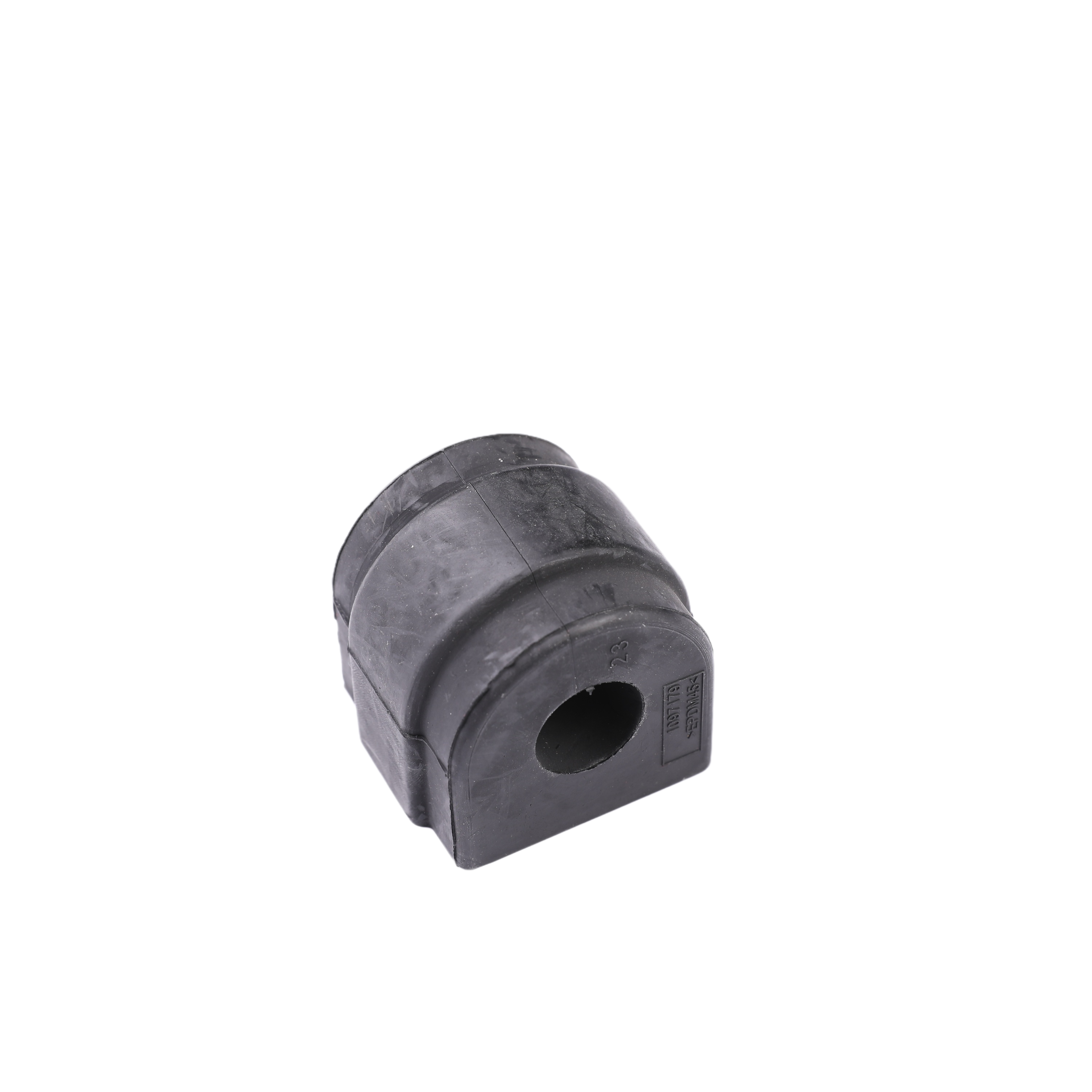
While a stabilizer bar itself rarely wears out, its bushings and end links are prone to deterioration. Visually, you’ll notice cracked, missing, or crushed rubber bushings where the bar attaches to the frame. End links may show excessive movement or have torn rubber boots. If there’s rust on the bar, it’s not necessarily a problem, but severe corrosion might weaken it. Use a pry bar to test for movement in the links; if there’s noticeable play, they need replacement. Also, listen for squeaking or clunking noises when driving on uneven roads. Our range includes high-quality replacement parts that you can easily install, ensuring your suspension remains in top condition.
Traditionally, stabilizer bars are made from spring steel, but modern vehicles may use aluminum or composite materials for lighter weight and corrosion resistance. Aluminum bars are common in luxury or performance cars. Composite bars are less common but are emerging. The material affects the bar’s stiffness, cost, and weight. When replacing components, ensure that you use parts that match the original specifications, as using stiffer or softer aftermarket bars can alter vehicle dynamics. Our company can supply custom-engineered bushings that work with all bar materials, providing a reliable seal and long life.

Related Articles

Importance of a Shock Absorber Dust Cover for Protection

04

Sep

Importance of a Shock Absorber Dust Cover for Protection

The Silent Guardian of Your Vehicle Suspension System Every time you drive down a rough road, your vehicle suspension takes a massive beating. Beneath the chassis, complex mechanical parts work tirelessly to absorb bumps and keep your ride smooth. Ye...
View More
How a Quick Strut Simplifies Suspension Repair?

08

Sep

How a Quick Strut Simplifies Suspension Repair?

The Evolution of Suspension Repairs in Modern Automotive Workshops Replacing vehicle suspension components has historically been one of the most time-consuming, physically demanding, and potentially hazardous jobs in any professional automotive repai...
View More
How to choose upper strut mount for different car models

14

Sep

How to choose upper strut mount for different car models

Understanding the Role of Suspension Support Components Vehicle suspension relies heavily on the precise mechanical interaction between springs, shock absorbers, and structural attachment points to deliver a stable, comfortable, and safe driving expe...
View More

Customer Testimonials

Michael Thompson
A Visual Guide That Saved Our Workshop Time

As a workshop manager, I often have to explain to new technicians what a stabilizer bar looks like and how it fits into the suspension. This article from Aoding has become a teaching tool in our training. The clear descriptions and attention to detail help our team quickly identify stabilizer bar components on various vehicles. Since we started using these guidelines, our diagnostic time has decreased, and we have reduced errors in parts ordering. The fact that they are experts in rubber parts like bushings and links adds credibility to their advice. We now recommend Aoding to our clients for quality replacement parts.

Sarah Jenkins
Understanding My Car’s Suspension

I’m a car enthusiast who enjoys DIY maintenance. I’ve always wondered what a stabilizer bar looks like and how it works. This guide answered all my questions. The descriptions were so clear that I could follow along under my own car. I even identified a worn bushing that needed replacement. I checked Aoding’s product range and found the exact link kit for my vehicle. The quality is top-notch, and installation was a breeze. Thanks to Aoding’s expertise, I have saved hundreds of dollars in mechanic fees and learned more about my car’s condition. Highly recommended for anyone interested in car care.

Get a Free Quote

Our representative will contact you soon.
Email
Mobile/WhatsApp
Name
OE/Car Model
Message
0/1000
Educational Excellence: Empowering Your Suspension Knowledge

Educational Excellence: Empowering Your Suspension Knowledge

Our highlight is the comprehensive educational resource we provide, which goes beyond just answering what does a stabilizer bar look like. We aim to empower vehicle owners, mechanics, and parts buyers with the knowledge to make informed decisions. By understanding the visual and functional aspects of stabilizer bars, you can better maintain your vehicle, troubleshoot issues, and select the right components. Our detailed explanations, coupled with the reputation of Aoding Rubber as a leading manufacturer of suspension rubber parts, establish this guide as a go-to reference. We emphasize the value of precise visual identification in reducing errors and enhancing safety. Moreover, by highlighting our partnership with industry standards and certifications, we ensure that all information is credible and trustworthy.
Integrated Product Solutions: Beyond Visual Understanding

Integrated Product Solutions: Beyond Visual Understanding

While the focus is on visual recognition, we bridge the gap between knowing what a stabilizer bar looks like and maintaining it properly. Aoding Rubber offers an extensive array of components that directly impact the performance and lifespan of stabilizer bars—including dust covers and bump stops that protect the end link connections. Our products are engineered to exact specifications, ensuring a seamless fit and long-term reliability. We go a step further by supporting ODM/OEM customization, allowing our clients to source components that perfectly match their unique requirements. This highlight demonstrates that we aren’t just an information resource; we are a full-service partner offering tangible solutions. By integrating our products with the educational aspect, we provide end-to-end support for your suspension system’s needs.
Facebook Facebook Instagram Instagram Email Email WhatsApp WhatsApp TopTop