 EN
Understanding the Role of the Stabilizer System in Vehicle Dynamics
When drivers take a fast corner on a winding road, they expect the vehicle to stay flat and responsive instead of leaning heavily toward one side. Understanding what does a stabilizer bar do can completely change how motorists view vehicle stability and undercarriage engineering. Over years of hands-on automotive repair and suspension diagnostics, mechanics observe how this essential steel torsion bar manages lateral body forces during sudden steering inputs. Without this crucial hardware, passenger cars and light trucks would exhibit excessive body roll, making high-speed maneuvering dangerous and uncomfortable for everyone on board. Professional automotive technicians constantly emphasize that a high-quality anti-roll bar manages cornering forces effectively during high-speed driving. When engineers design a modern suspension setup, the torsion bar absorbs high-frequency vibrations and allows smooth vertical wheel movement. Choosing the right alloy steel material ensures that the anti-roll bar performs its job efficiently without causing unwanted cabin noise or premature wear. Every single suspension component undergoes rigorous stress testing to handle extreme road conditions and temperature shifts. Maintenance routines often overlook the undercarriage assembly, yet this vital hardware dictates how stable a car feels at highway speeds. A damaged anti-roll bar lets the suspension shift out of alignment, which immediately degrades steering feedback and cornering precision. Upgrading to a premium setup transforms a loose, unresponsive steering feel into precise handling on winding roads.
How Suspension Architecture Reacts to Cornering Loads
To appreciate the engineering mechanics behind modern vehicle control, one must examine how the suspension architecture reacts to cornering loads. As a car enters a turn, centrifugal force pushes the upper body outward, compressing the outer suspension while extending the inner suspension. The stabilizer bar acts as a bridge connecting both sides of the axle, twisting dynamically to transfer force and equalize suspension travel. When investigating what does a stabilizer bar do during these high-stress events, engineers note that it significantly reduces chassis lean and keeps all four tires planted firmly on the asphalt. This uniform contact patch ensures maximum traction, precise steering feedback, and predictable handling performance under emergency driving conditions across diverse weather environments. Ignoring suspension wear leads to severe safety hazards on the road. When a torsion bar degrades, it develops excessive internal clearance due to bushing fatigue. This gap allows the link joints to rattle and bang against the frame whenever the vehicle encounters potholes or uneven pavement. Drivers often notice a distinct clunking noise coming from the front end, which serves as a primary symptom of a failing system. Beyond annoying noises, a deteriorated setup severely impacts emergency steering maneuvers. During sudden lane changes, loose hardware delays the vehicle response time, increasing the risk of loss of control. Statistical data from automotive safety authorities show that compromised suspension components increase stopping distances and destabilize cornering grip.
Real World Case Studies and Technician Insights on Chassis Maintenance
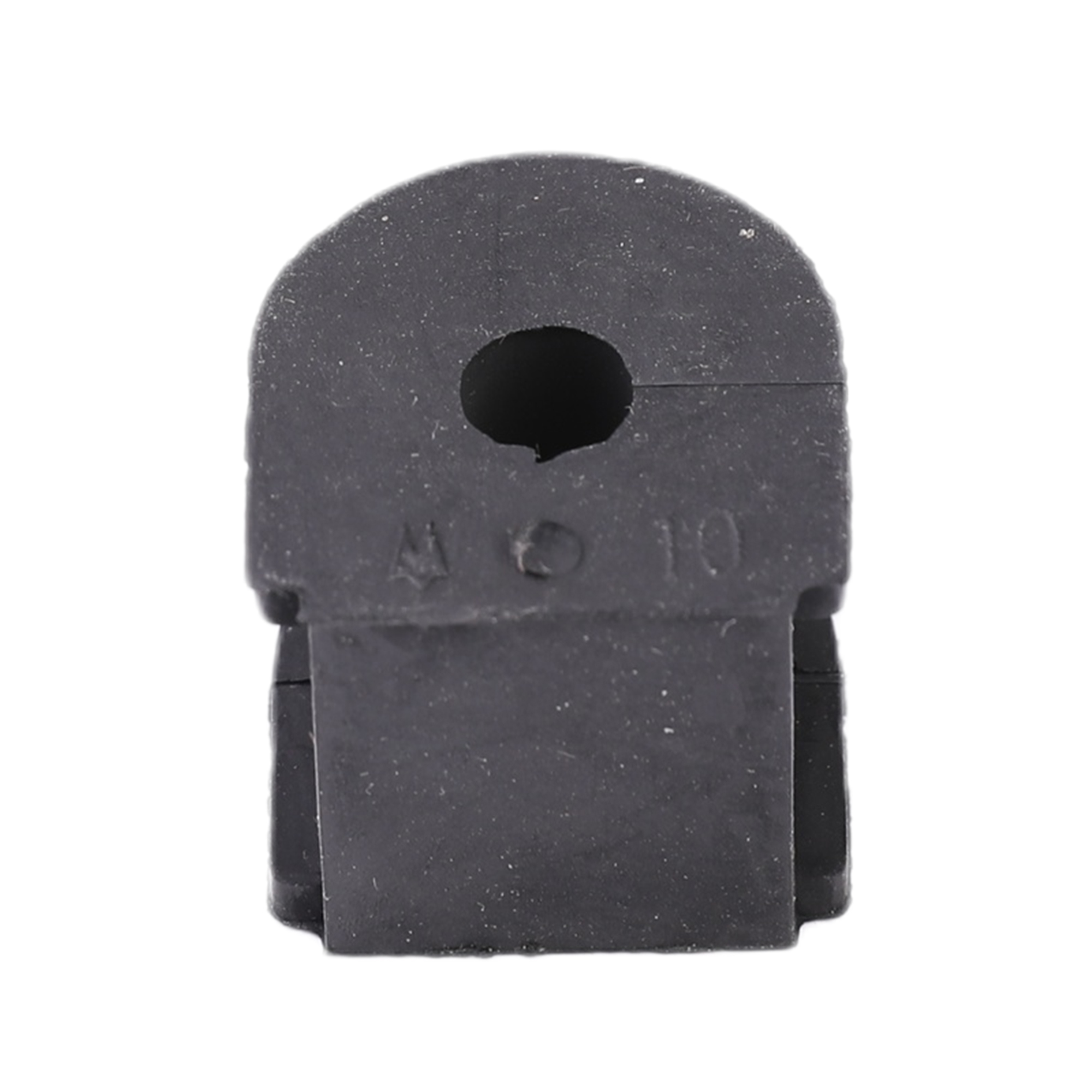
Field experience from master mechanics provides clear proof of how vital this component is for everyday driving. In a recent diagnostic case involving a commercial delivery van, the driver reported vague steering and excessive body sway during tight turns. Upon lifting the vehicle, inspection revealed that the factory rubber mounting points had completely rotted and split apart. The missing structural support meant the assembly could no longer restrict lateral body roll effectively. Replacing the old hardware with a reinforced aftermarket setup instantly solved the handling issues and restored stability. Master technicians note that fleet vehicles equipped with heavy-duty suspension links experience significantly fewer suspension complaints over high mileage. Expert advice from suspension engineers suggests inspecting the undercarriage joints every thirty thousand miles to catch wear early. Real-world testing demonstrates that a proactive replacement schedule saves vehicle owners costly secondary repairs down the road. Whenever a vehicle drifts or feels unstable on winding roads, checking the suspension bar should be the first diagnostic step. Professional repair shops always stock multiple sizes of replacement options to accommodate various car models and driving styles.
Material Science and Manufacturing Excellence Behind Durable Hardware
The engineering behind top-tier undercarriage hardware involves advanced metallurgy and precise manufacturing tolerances. Traditional steel components offer comfort but tend to degrade quickly when exposed to oil, road salt, and extreme temperature fluctuations. Modern manufacturing has shifted toward high-tensile spring steel for constructing a superior anti-roll bar. This advanced material provides exceptional resistance to torsional fatigue, ozone, and chemical degradation, ensuring that the assembly maintains its shape under heavy loads. Production excellence requires strict quality control during the heat treatment and bending processes. Industry leaders utilize advanced computer numerical control techniques to ensure each component delivers consistent spring rates. Global supply chains, such as those established by AODING, focus on delivering precision-engineered automotive parts that meet strict international standards. AODING implements rigorous testing protocols to verify that every single suspension bar withstands extreme stress cycles without cracking. By combining advanced material science with efficient manufacturing capabilities, AODING ensures that customers receive reliable hardware designed for long-lasting performance. Wholesale buyers and automotive brands trust AODING for consistent quality and dependable supply chain solutions in the global aftermarket.
Maximizing Vehicle Longevity and Performance Through Quality Replacement
Achieving optimal vehicle control requires a holistic approach to routine maintenance and component selection. Investing in a premium anti-roll assembly safeguards the investment made in tires, shocks, and steering racks. Vehicle stability translates directly to driver confidence, especially when navigating unexpected road hazards or adverse weather conditions. Routine checks ensure that no mounting hardware shows signs of cracking, dry rotting, or excessive deformation. Choosing a trusted manufacturing partner like AODING guarantees access to high-durability solutions tailored for diverse automotive applications. Whether servicing passenger cars, SUVs, or commercial light trucks, selecting the correct replacement parts elevates overall ride quality. Automotive professionals and retail distributors continuously seek out reliable partners that offer dependable inventory and superior product engineering. Ultimately, paying attention to minor suspension details like what does a stabilizer bar do yields major dividends in safety, comfort, and vehicle longevity on every journey.
Table of Contents
- Understanding the Role of the Stabilizer System in Vehicle Dynamics
- How Suspension Architecture Reacts to Cornering Loads
- Real World Case Studies and Technician Insights on Chassis Maintenance
- Material Science and Manufacturing Excellence Behind Durable Hardware
- Maximizing Vehicle Longevity and Performance Through Quality Replacement